
Debunking Fraud Allegations Against Somali Daycare Centers in Minnesota
In recent weeks, a video by Nick Shirley alleging widespread fraud within Somali-run daycare centers in Minnesota sent shockwaves through the community and beyond. The claims, which suggested millions of dollars were stolen from state funds, prompted immediate and severe repercussions, including the freezing of childcare funding and political fallout. However, as investigations unfold, a different narrative is emerging, one that challenges the veracity of Shirley's allegations.
The Initial Claims and Immediate Fallout
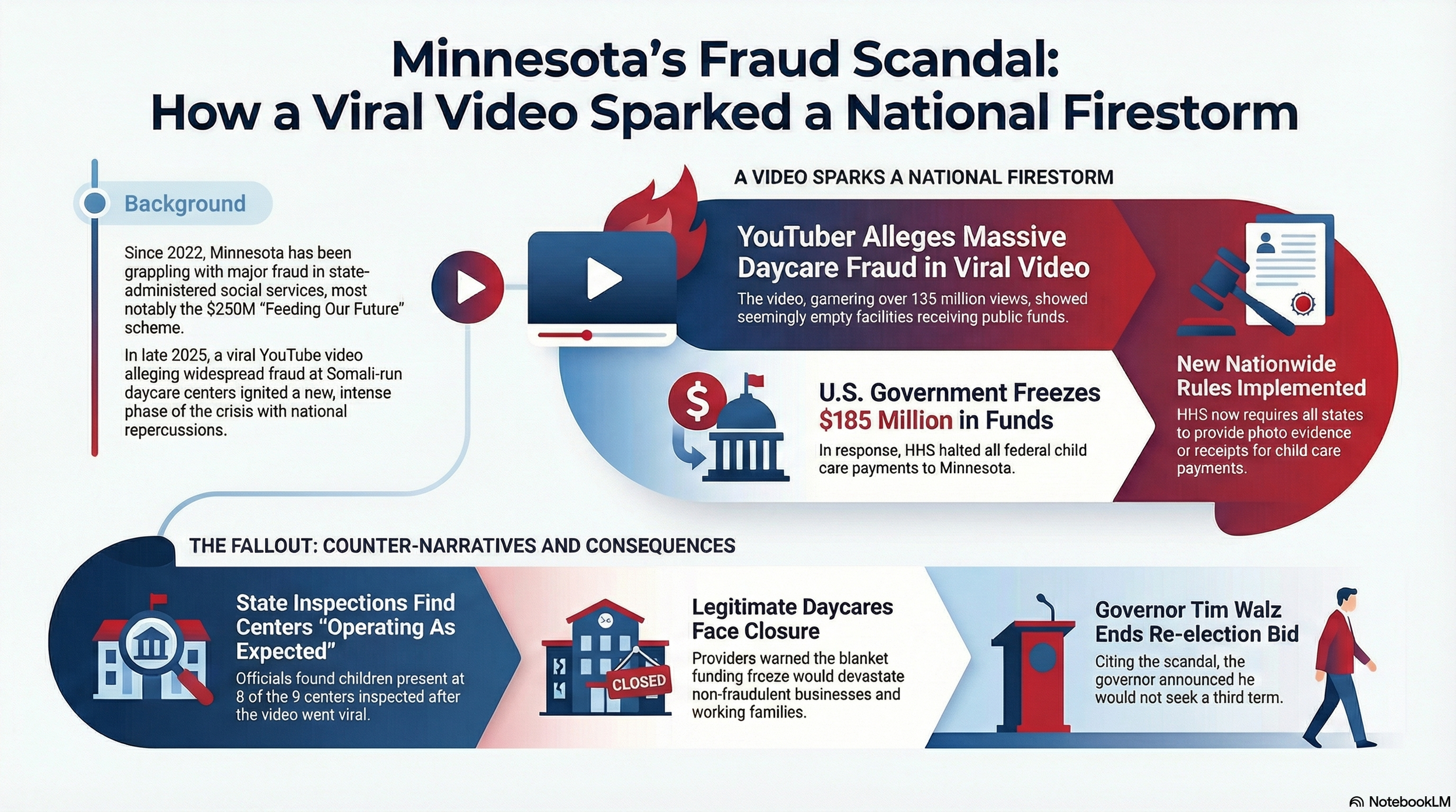
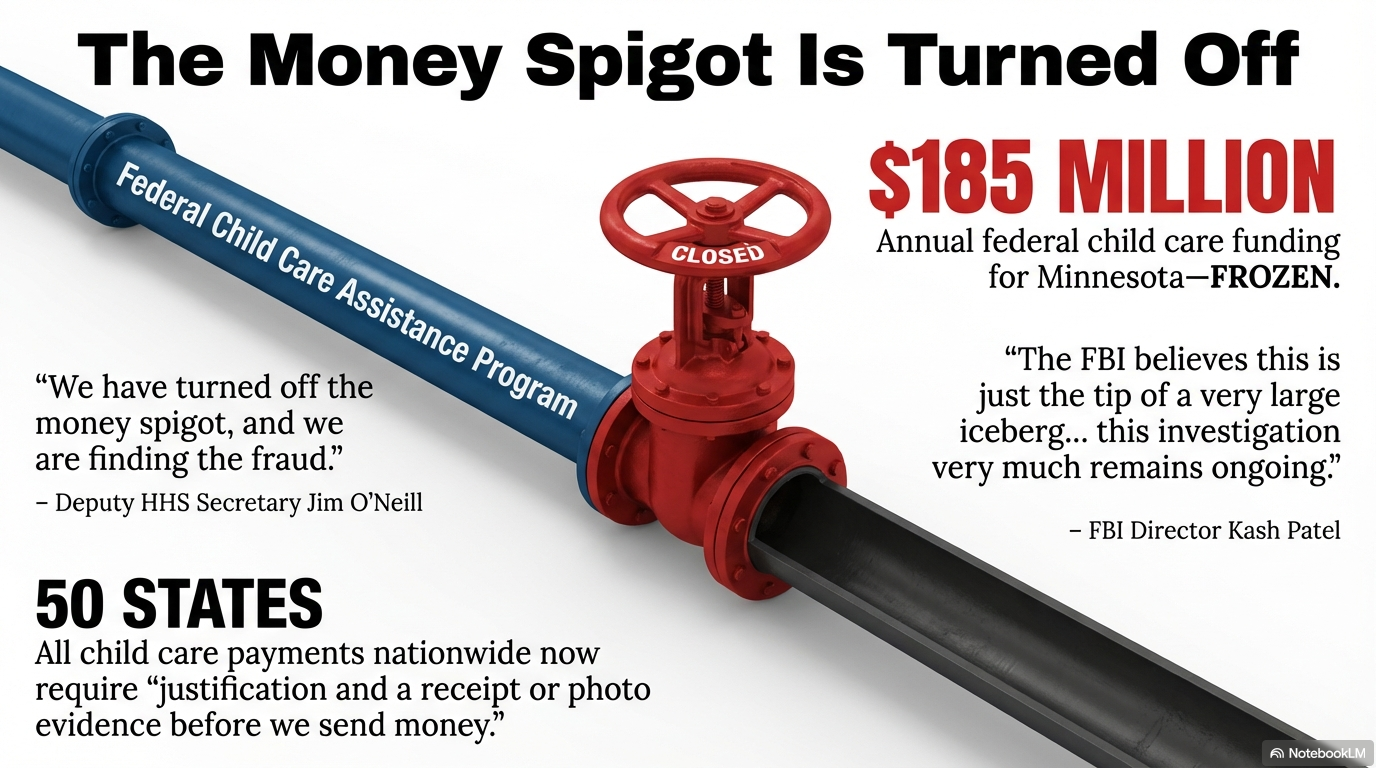
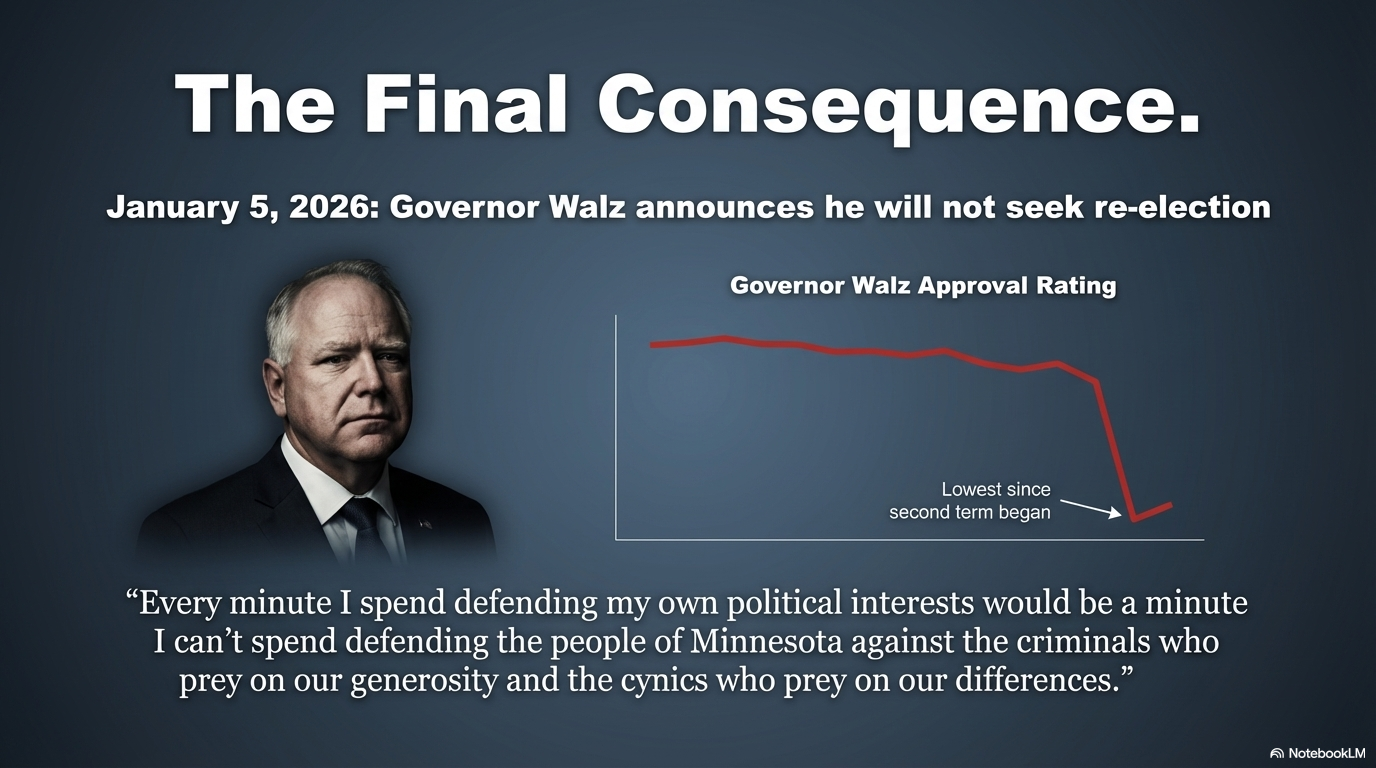
Nick Shirley's viral video, which gained traction on social media platforms like X and TikTok, claimed that Somali-run daycare centers were involved in massive fraud. The allegations led to a swift response from the government, with millions in childcare funding frozen and Minnesota Governor Tim Walz withdrawing his reelection bid. However, state investigations revealed a stark contrast to Shirley's claims.
Investigative Findings
The Minnesota Department of Children, Youth, and Family Services conducted on-site inspections of the nine daycare centers highlighted in Shirley’s video. Contrary to the accusations, inspectors found that the centers were operating as expected, with children present at eight of the nine locations during inspection hours. The ninth center was simply closed for the day. These findings were corroborated by independent journalists, including a CBS News analysis, which noted that while some centers had minor safety violations, there was no evidence of fraud.
Questionable Methods and Misrepresentation
One of the critical factors in Shirley's claims was his assertion that the absence of children during his visit indicated wrongdoing. However, as noted by Abraham Ali, manager of the Quality Learning Center, Shirley arrived at a time when the center was not yet open for service. Security footage revealed that parents were actively dropping off their children later that day, contradicting Shirley's portrayal of an empty facility.
The Broader Impact of the Allegations
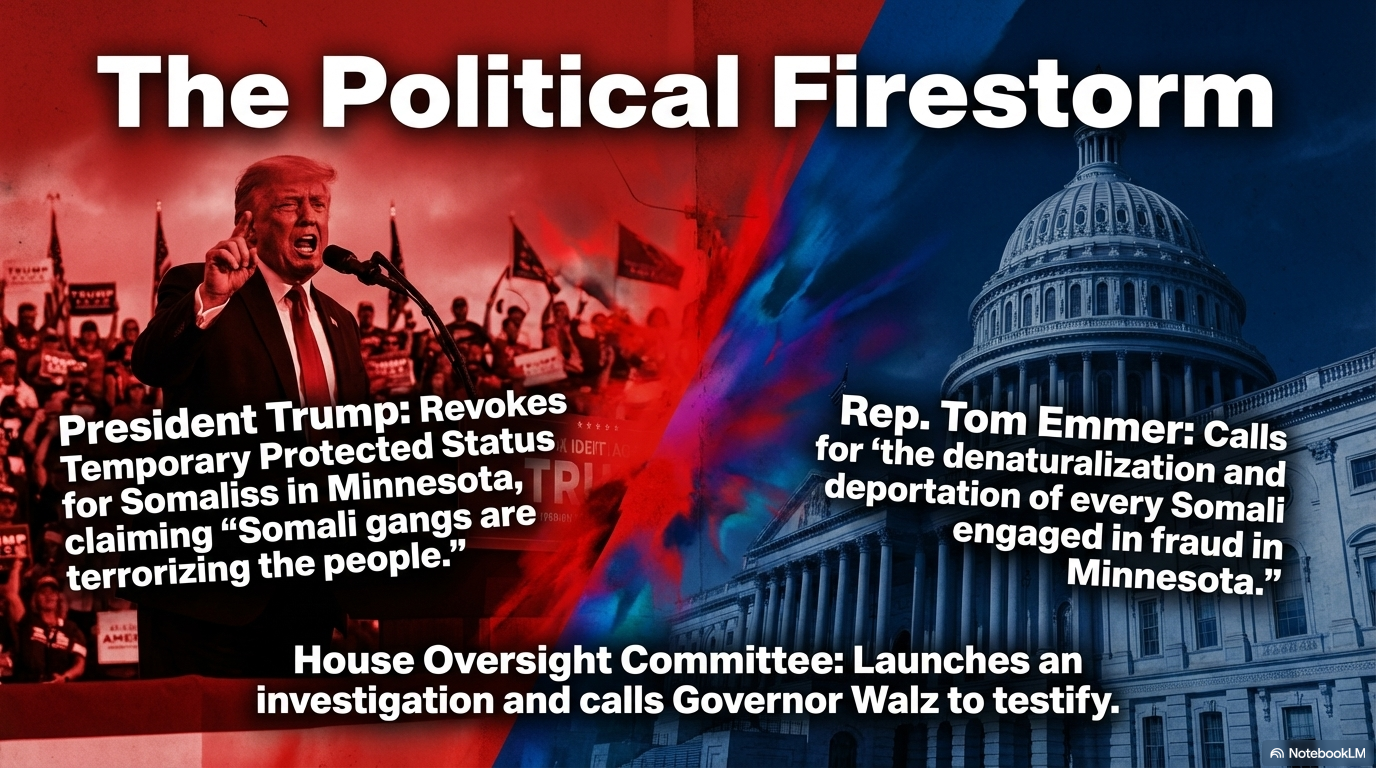
The repercussions of Shirley's video extend beyond mere allegations. The fallout has led to harassment and threats against Somali-run daycare centers across the country, particularly in areas like Columbus, Ohio, where local officials have warned residents to report unlawful behavior. The legal pressure is mounting, with reports of police involvement in response to Shirley's actions, including incidents of him being escorted out of facilities.
Disinformation and Narrative Preemption
Critics have labeled Shirley’s approach as disinformation, arguing that he concluded guilt before seeking evidence. This tactic, known as narrative preemption, has raised concerns among legal experts and community leaders, who argue that such methods can lead to unjust consequences for innocent businesses.
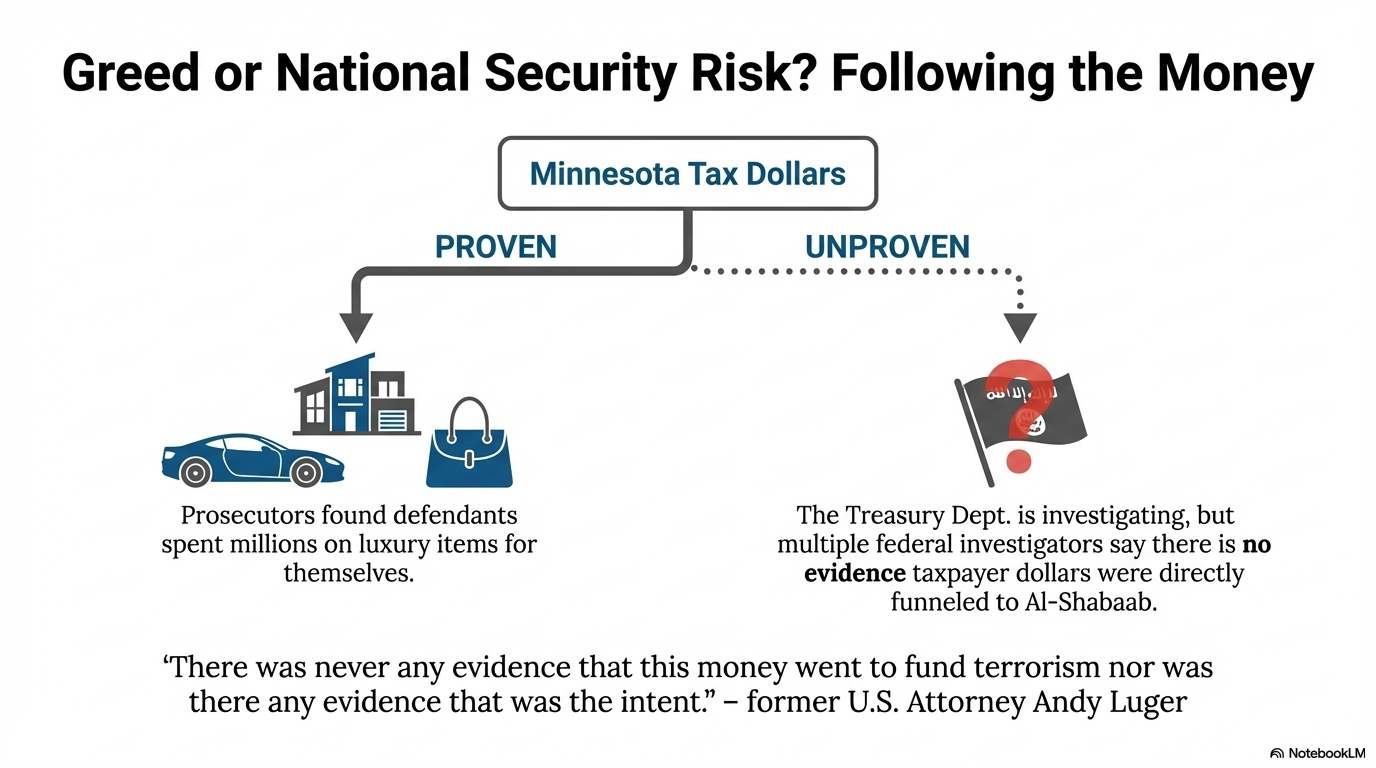
As investigations continue, it is evident that the claims made by Nick Shirley have not only been discredited by state investigations but have also inflicted real harm on Somali-run daycare providers. These centers are facing unjust scrutiny, loss of funding, and threats, all while they continue to provide essential childcare services. The key takeaway from this unfolding situation is the importance of verifying information before spreading potentially damaging claims, especially in an environment where misinformation can have dire consequences.
Tags: Somali daycare fraud, Minnesota daycare centers, Nick Shirley allegations, misinformation, childcare funding, community impact, investigative journalism.
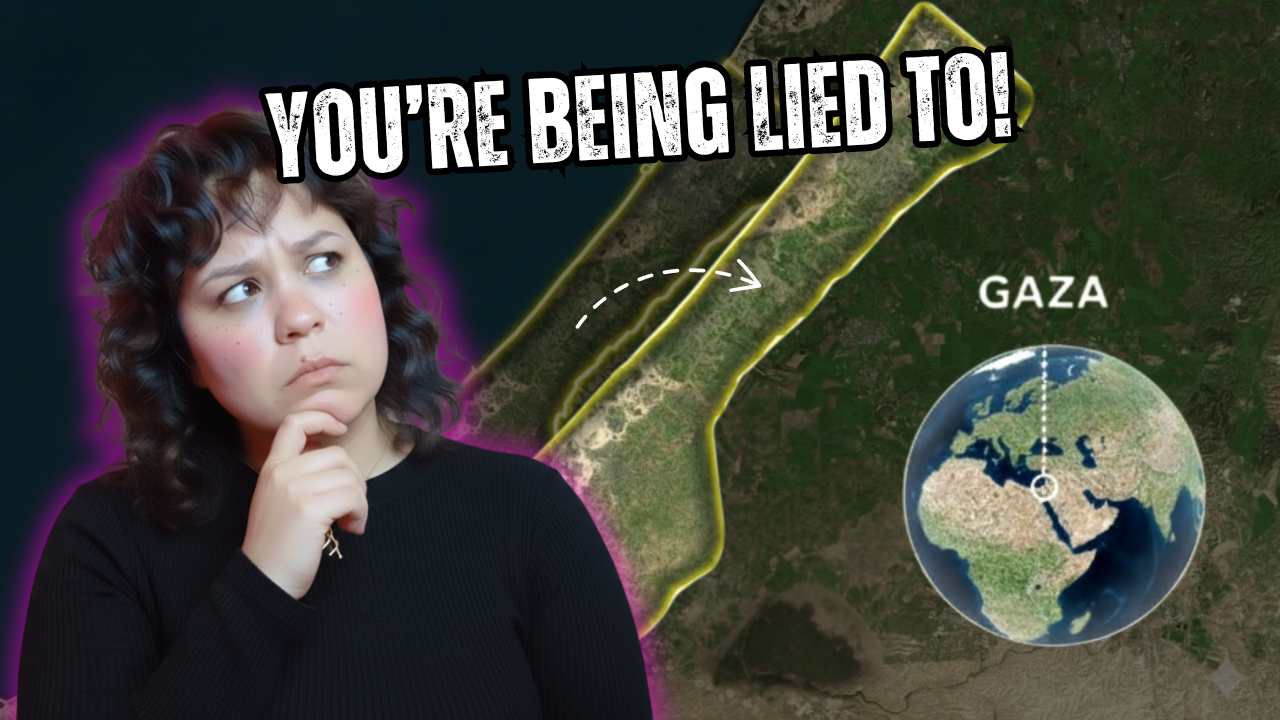
The Gaza "Ceasefire" Myth: Unpacking the Reality Beyond the Headlines
The world breathed a collective sigh of relief when news of a ceasefire in Gaza broke. We were told the hostilities had ended, that a truce was in effect. But what if the numbers tell a different story? What if the "ceasefire" is, in fact, a dangerous myth, obscuring a brutal reality on the ground?
Our latest video, "Gaza Ceasefire Analysis: Why the Hostilities Never Actually Stopped," dives deep into the official data and reports from the Gaza Government Media Office and Al Jazeera, revealing a stark contrast between diplomatic rhetoric and the lived experience in Gaza.
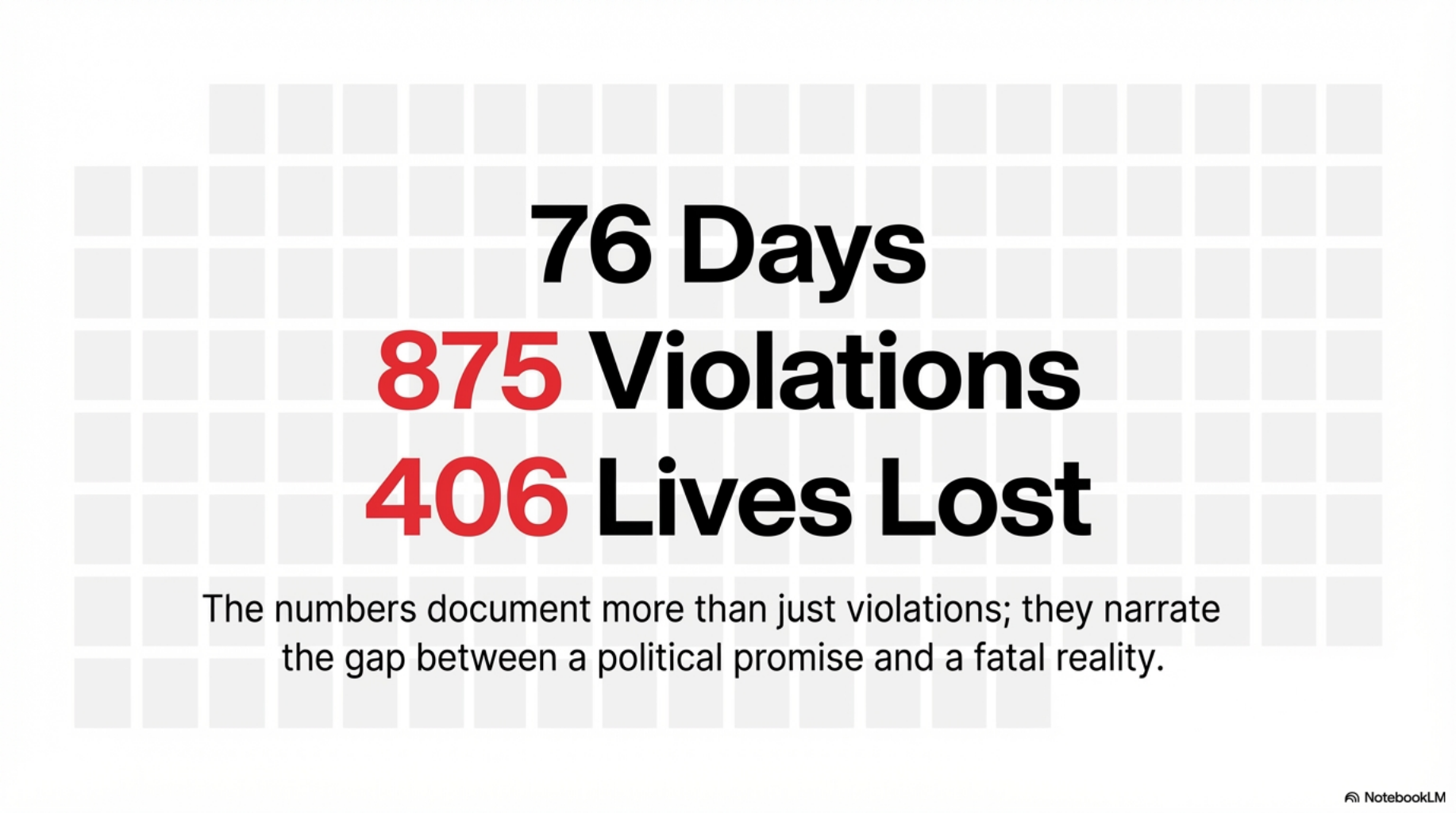
The Numbers Don't Lie: 875 Violations in 76 Days
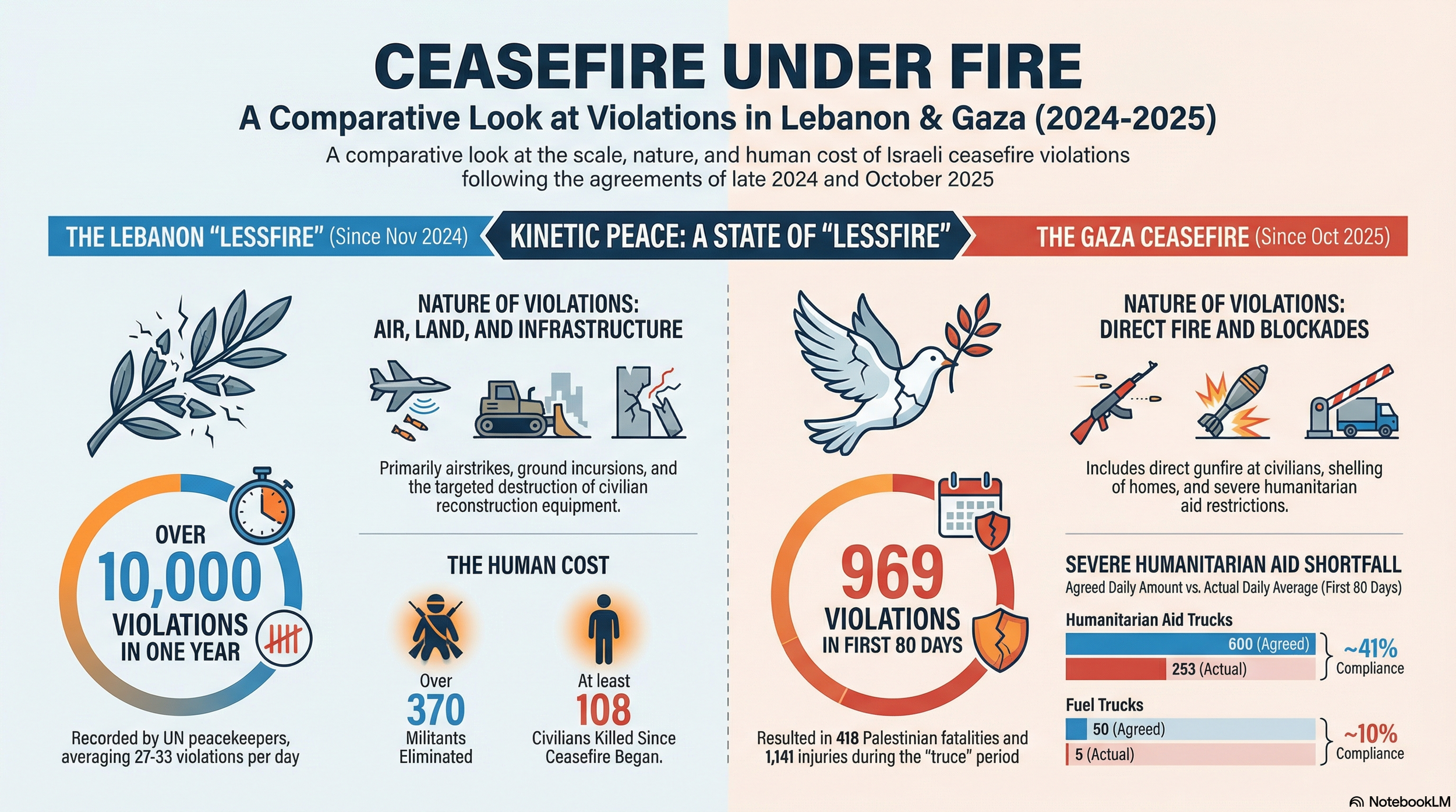
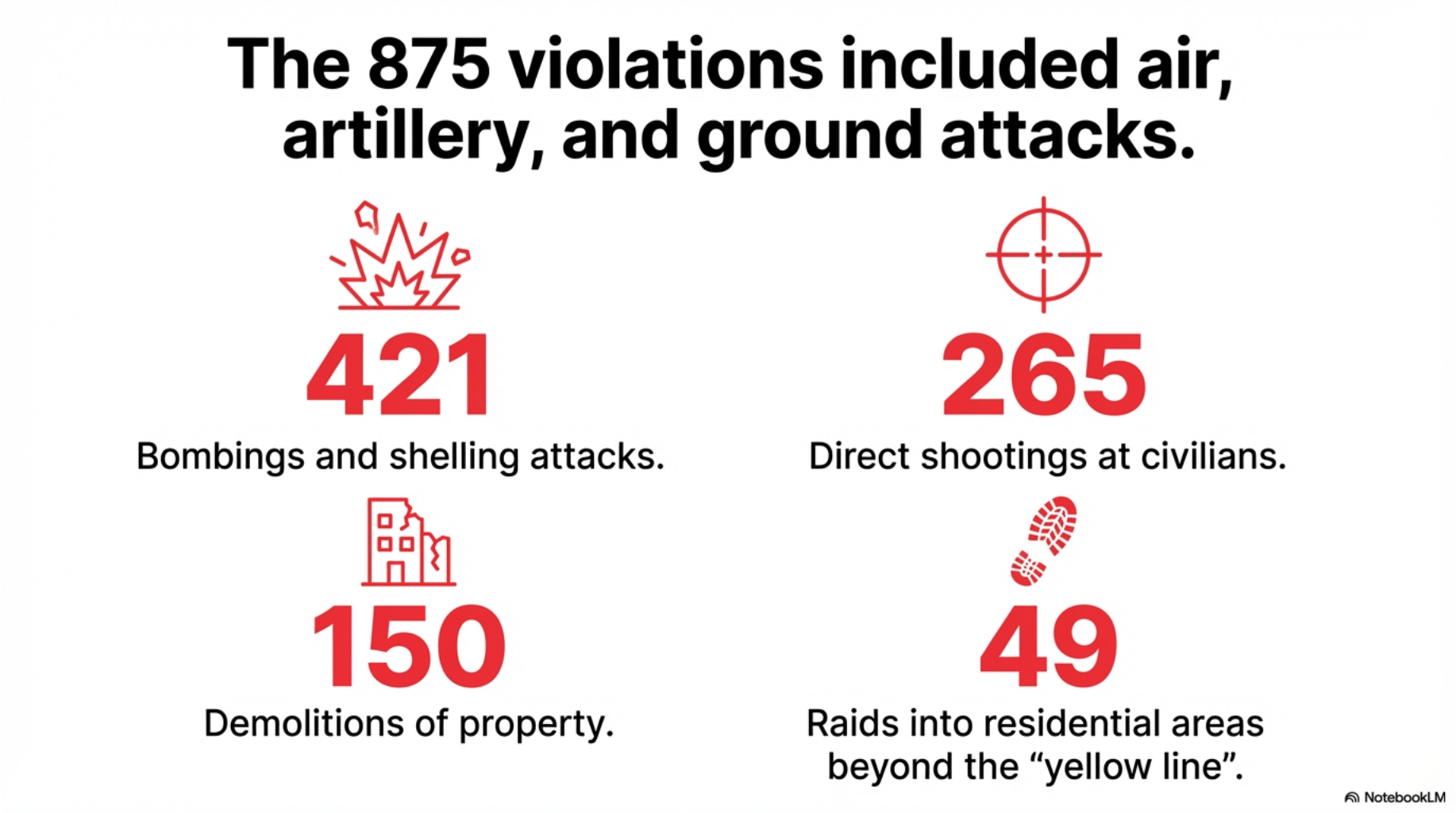
Between October 10 and December 22, 2025 – a period supposedly governed by a ceasefire agreement – the Israeli occupation army committed at least 875 documented violations. Let that sink in. This isn't an isolated incident; it's an average of more than 11 attacks every single day while the world's attention was diverted elsewhere.
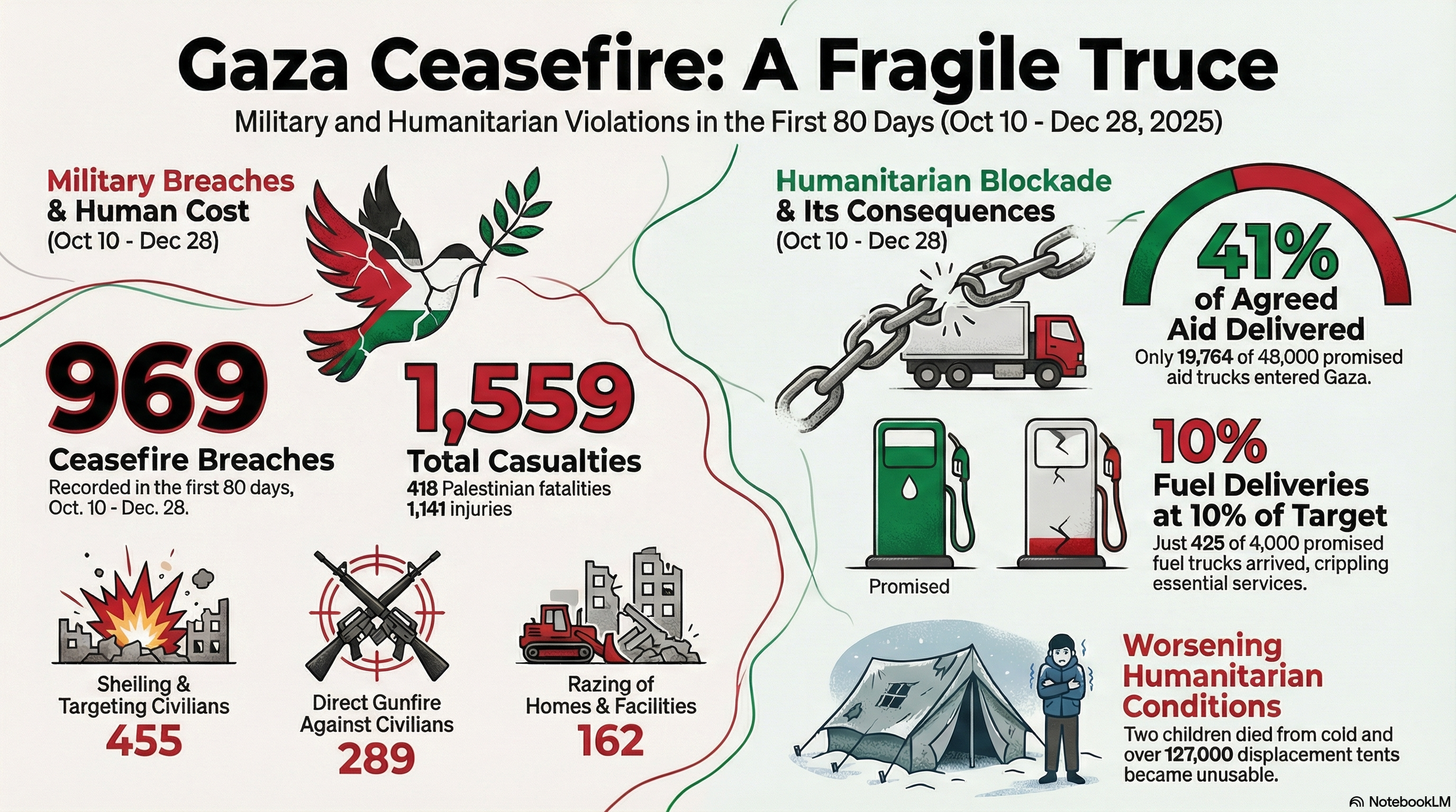
During this so-called "truce," Israeli attacks tragically killed at least 406 Palestinians and injured 1,118 more. Our analysis shows that Israel attacked Gaza on 65 out of the first 76 days of the ceasefire. There were only 11 days where no violent attacks or deaths were reported. This isn't peace; it's a managed continuation of violence.
The Anatomy of a Breach: Deliberate Military Operations
The term "violations" might sound abstract, but the reality on the ground is horrifyingly concrete. The Government Media Office in Gaza meticulously details the nature of these attacks:
265 instances where Israeli forces directly opened fire at civilians.
421 times they bombed or shelled the Strip.
150 occasions where they demolished people’s properties.
49 raids into residential areas, often beyond the designated "Yellow Line" – a supposed boundary for withdrawal.
43 Palestinians detained in just one month.
One of the most chilling examples occurred on October 29. Following an exchange of fire, which tragically killed one Israeli soldier, the response was a devastating "retribution" strike. Israeli forces hit back, killing 109 people—including 52 children—in a single night. When a ceasefire allows for the mass-killing of children in "retribution," the word "peace" loses all meaning.
The "Yellow Line" and the Withdrawal Lie
The US-led proposal’s first phase clearly stipulated a withdrawal of Israeli forces to the "Yellow Line." Yet, as the data unequivocally shows, the occupation has repeatedly violated this agreement, raiding areas beyond that line nearly 50 times since the deal commenced.
Furthermore, while the agreement outlined a three-phase withdrawal, Israeli political leaders have been unambiguous in their pledges not to allow a Palestinian state. The ongoing large-scale arms transfers from the US further complicate the narrative of a holding "ceasefire." It appears to be less about withdrawal and more about rearranging positions to maintain control over a captive population.
Choking the Life Out of Gaza: Aid as a Weapon
The ceasefire was supposed to usher in "full aid" to Gaza. The reality, however, is a cruel deception. Only 41 percent of the allocated trucks have actually entered the Strip. Out of the 43,800 trucks promised, a mere 17,819 were allowed through between October 10 and December 22.
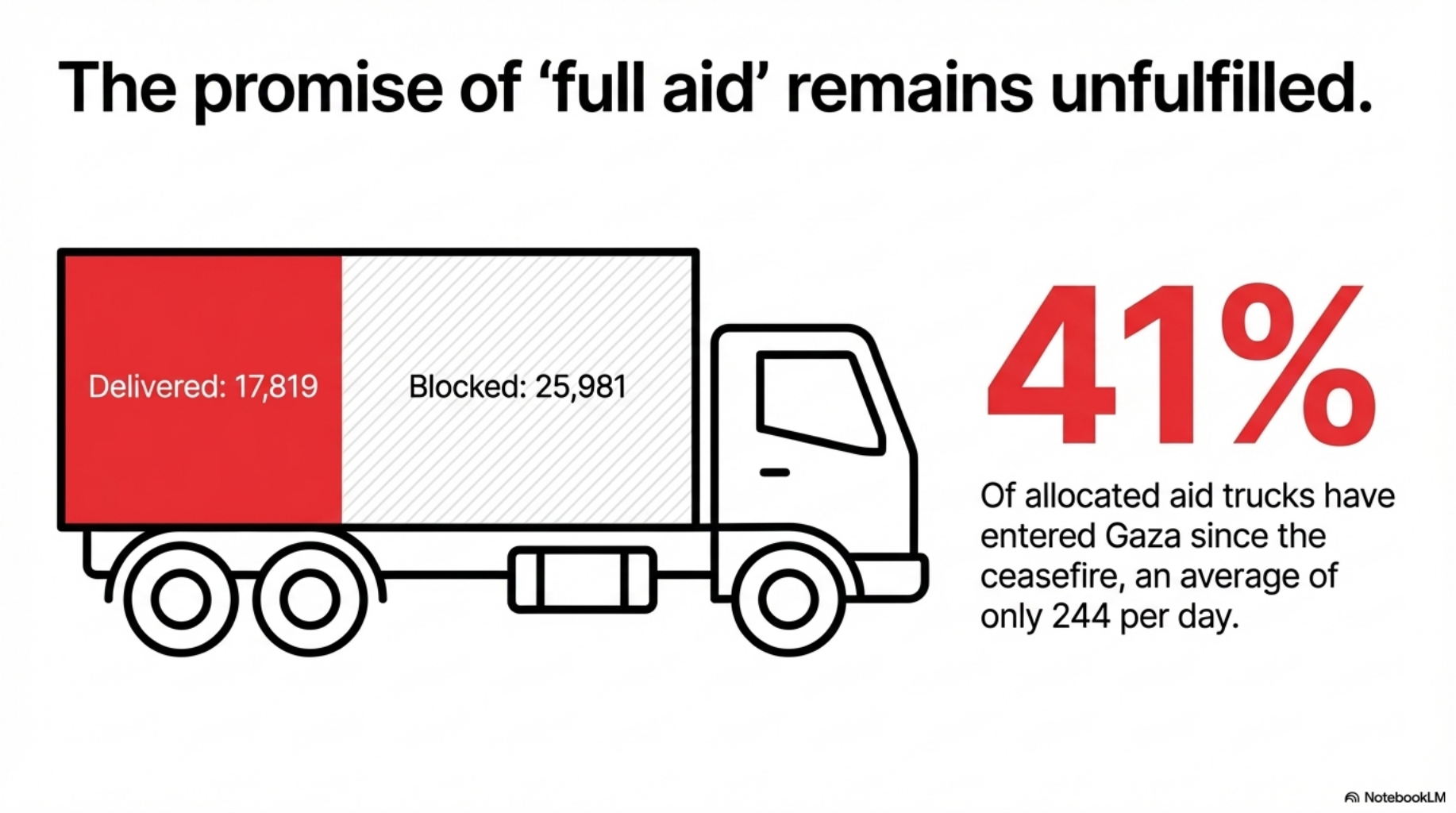
Even more damning is the nature of the aid permitted. Essential nutritious food – meat, dairy, vegetables – is systematically blocked. Instead, trucks are filled with snacks, chocolate, and crisps. This isn't humanitarian relief; it's a calculated strategy of "slow death," actively destroying the health of a generation while the world pretends to have lifted the blockade.
Captives and the Stolen Dead
Hamas adhered to the terms of the agreement, releasing all 20 remaining living Israeli captives on October 13. In return, they were to receive thousands of Palestinian prisoners and the bodies of their fallen.
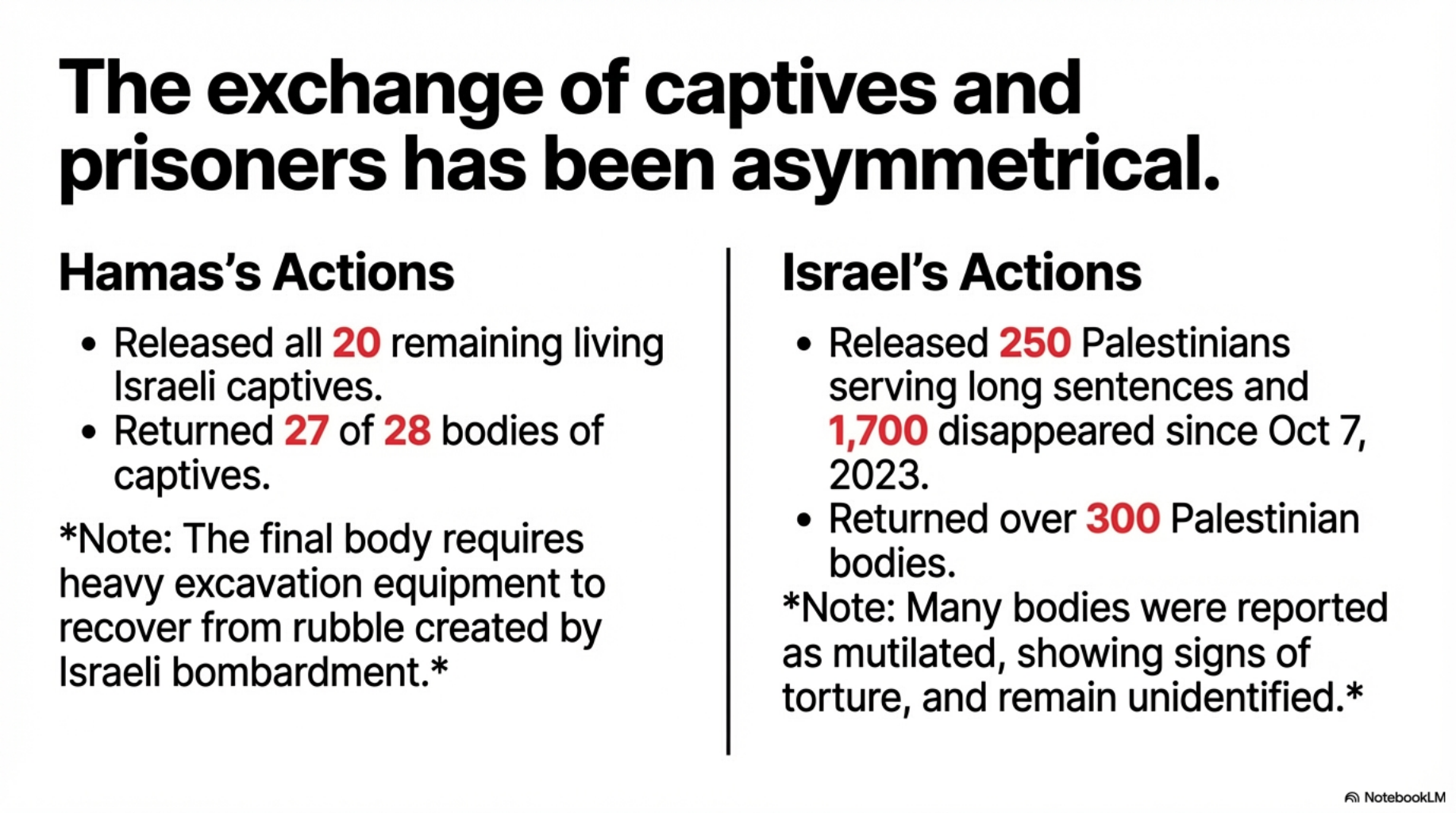
However, the disparity in conduct is jarring. While Hamas has returned 27 bodies of captives, even noting the need for heavy equipment to recover a final body from under rubble, Israel has returned over 300 Palestinian bodies. Disturbingly, many of these bodies were reportedly mutilated and showed signs of torture. This stark difference challenges the narrative of a "moral" army, especially one continually funded by global taxpayers.
A Call to Action: End the Genocide, Share the Truth
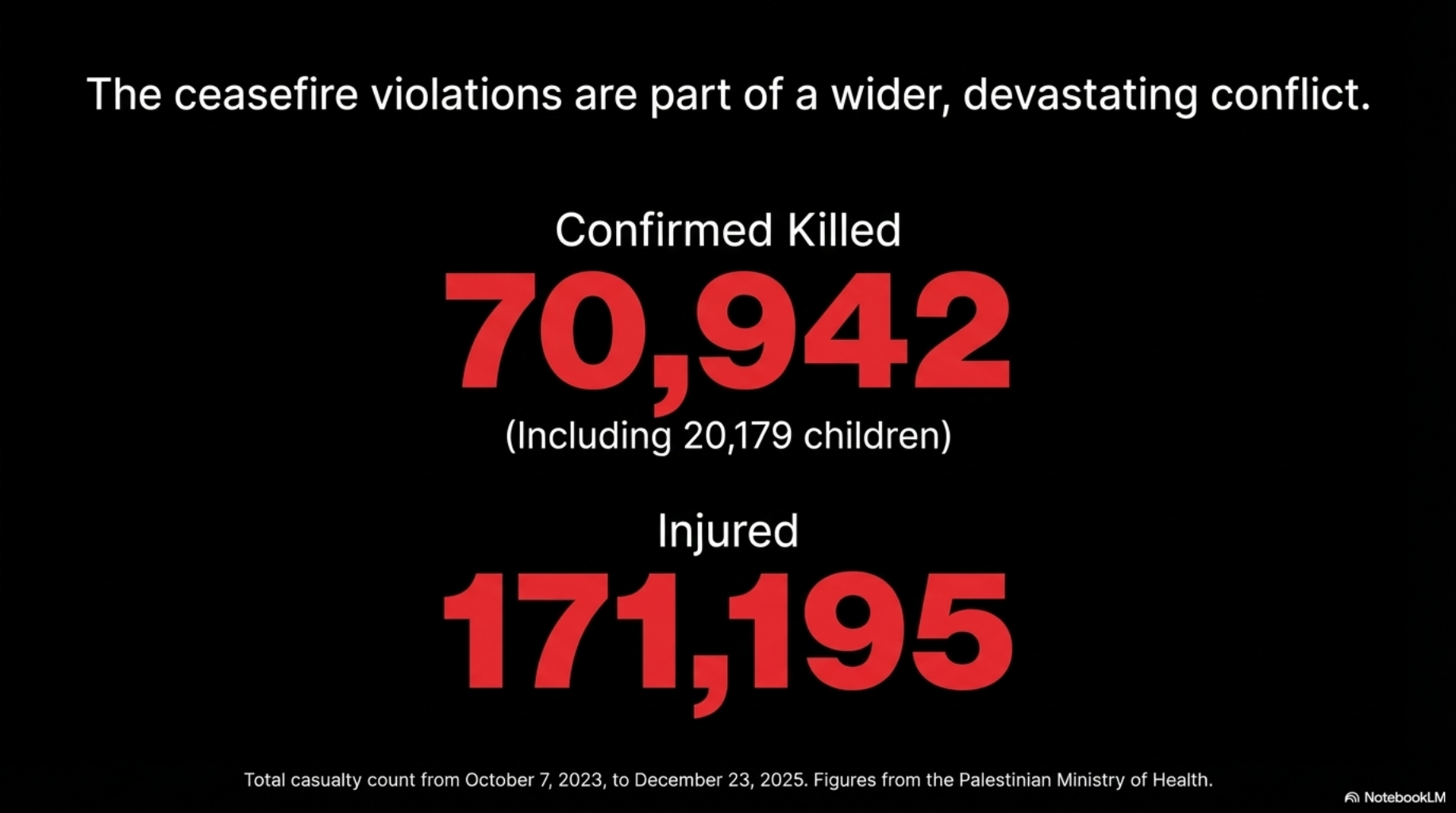
The total confirmed death toll since October 2023 has now reached at least 70,942 people, including over 20,000 children. We cannot allow the word "ceasefire" to be weaponized as a shield for ongoing atrocities.
There is no ceasefire when children are bombed in "retribution." There is no ceasefire when 421 bombings occur in two months. There is no ceasefire when a population is fed snacks instead of medicine and meat. We demand a real end to the hostilities, the total lifting of the blockade, and an end to the occupation that makes this violence possible.
This "ceasefire" is a leaky dam. The world may perceive the water has stopped flowing from the top, but underneath, high-pressure jets are drowning everyone at the base. It isn't a barrier to violence; it’s a way to obscure the flood.
Watch the full video for a comprehensive breakdown of the data and a deeper understanding of the situation on the ground: https://youtu.be/RbN8FlBBkjc?si=wFdgMMeaX3vvj2bO
#Gaza #CeasefireMyth #HumanRights #DataAnalysis #MiddleEastNews #Palestine #EndTheBlockade #WarCrimes #Journalism
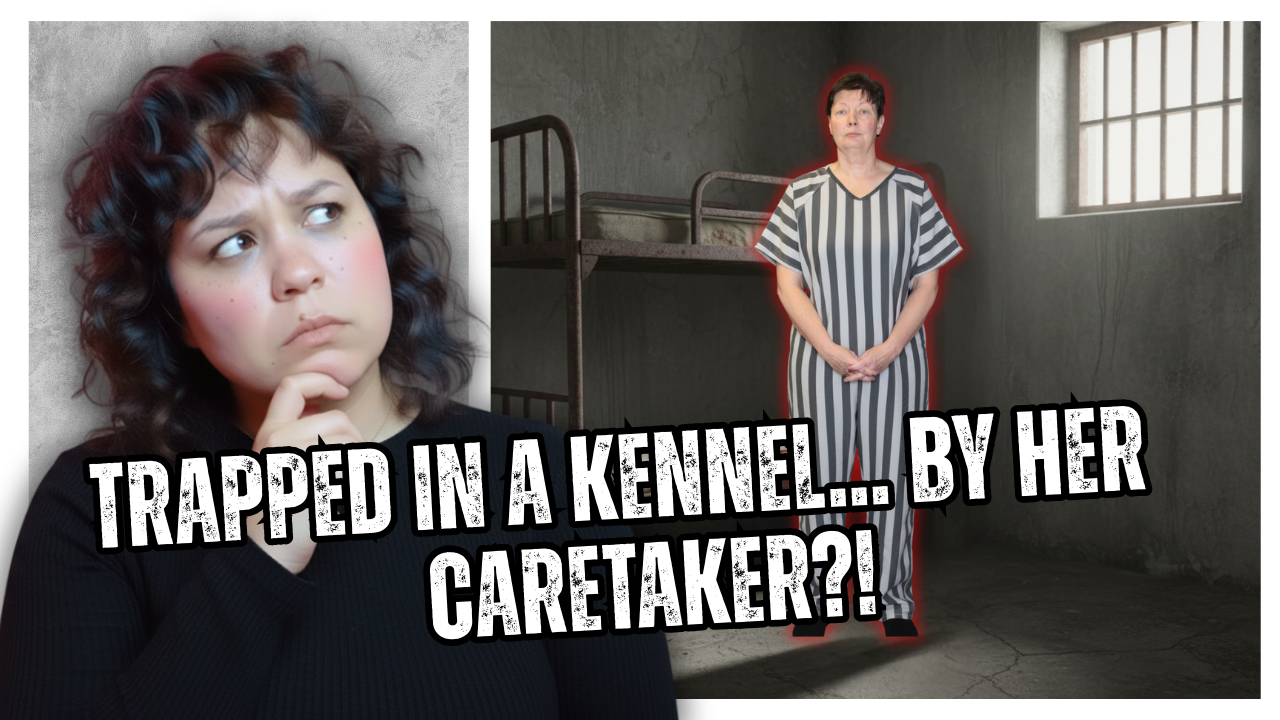
The Disturbing Reality of Foster Care: A Call for Accountability
In a shocking incident that has sparked outrage, a disabled woman was found locked inside a dog kennel by her foster mother, showcasing a horrific failure in the system meant to protect vulnerable individuals. This blog post delves into the details of this case and the broader implications it has for foster care and disability services.
The Incident: What Happened?
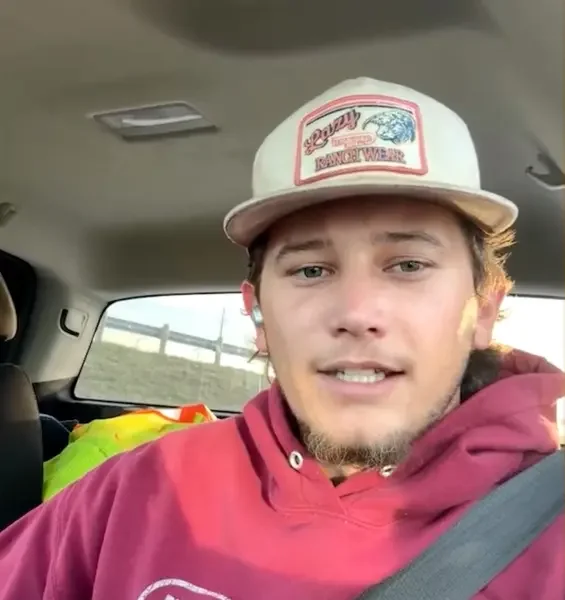
On November 22, 2025, 22-year-old Candice Thompson, affectionately known as Candy, was discovered by a neighbor named Justin Anderson, who heard her cries for help. In a video that quickly went viral, Anderson confronted Thompson, demanding to know why she would treat a human being this way. The urgency in his voice echoed the fear and confusion of the woman locked within that kennel. This raw encounter was a moment of humanity amid a grave injustice.



Unpacking the Crime
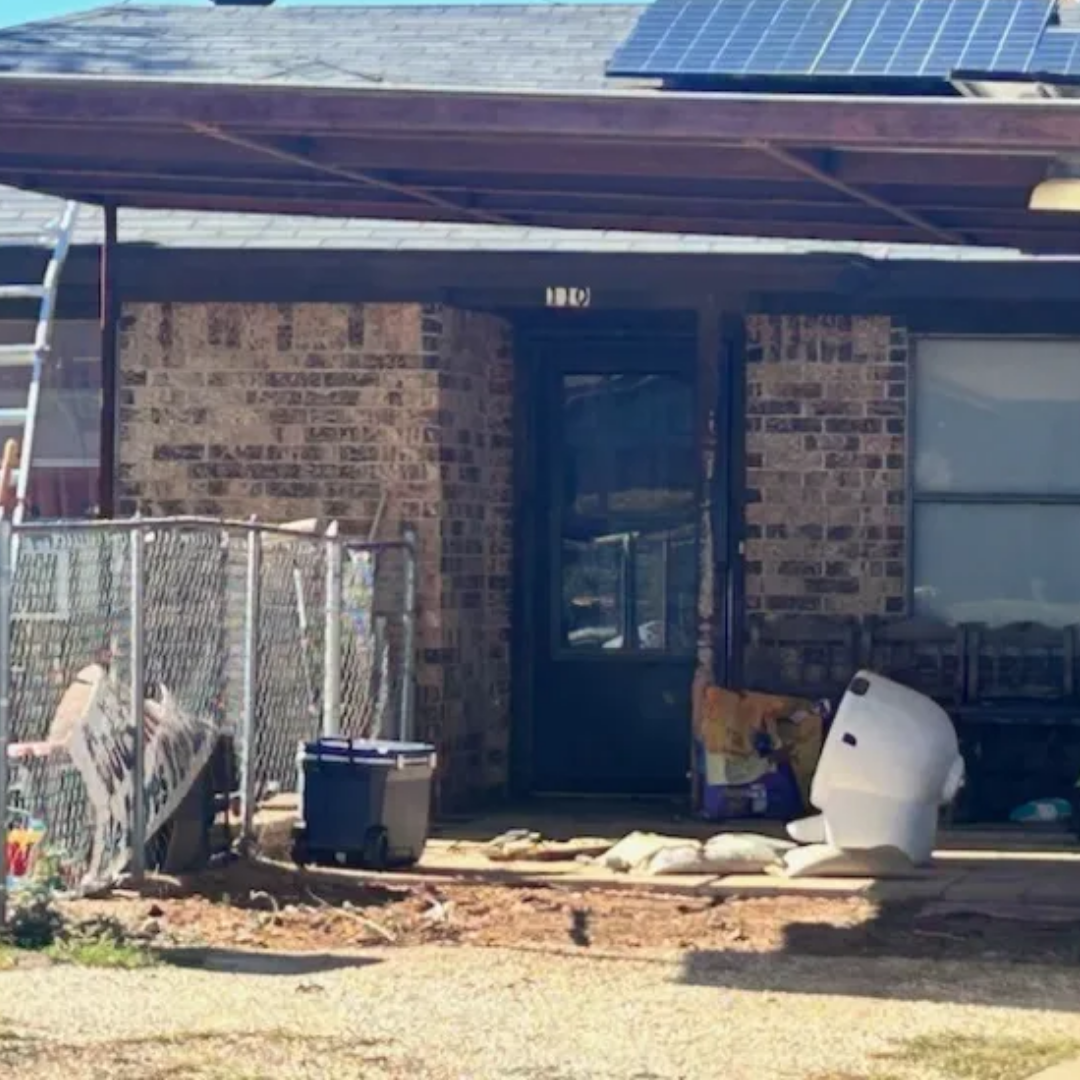

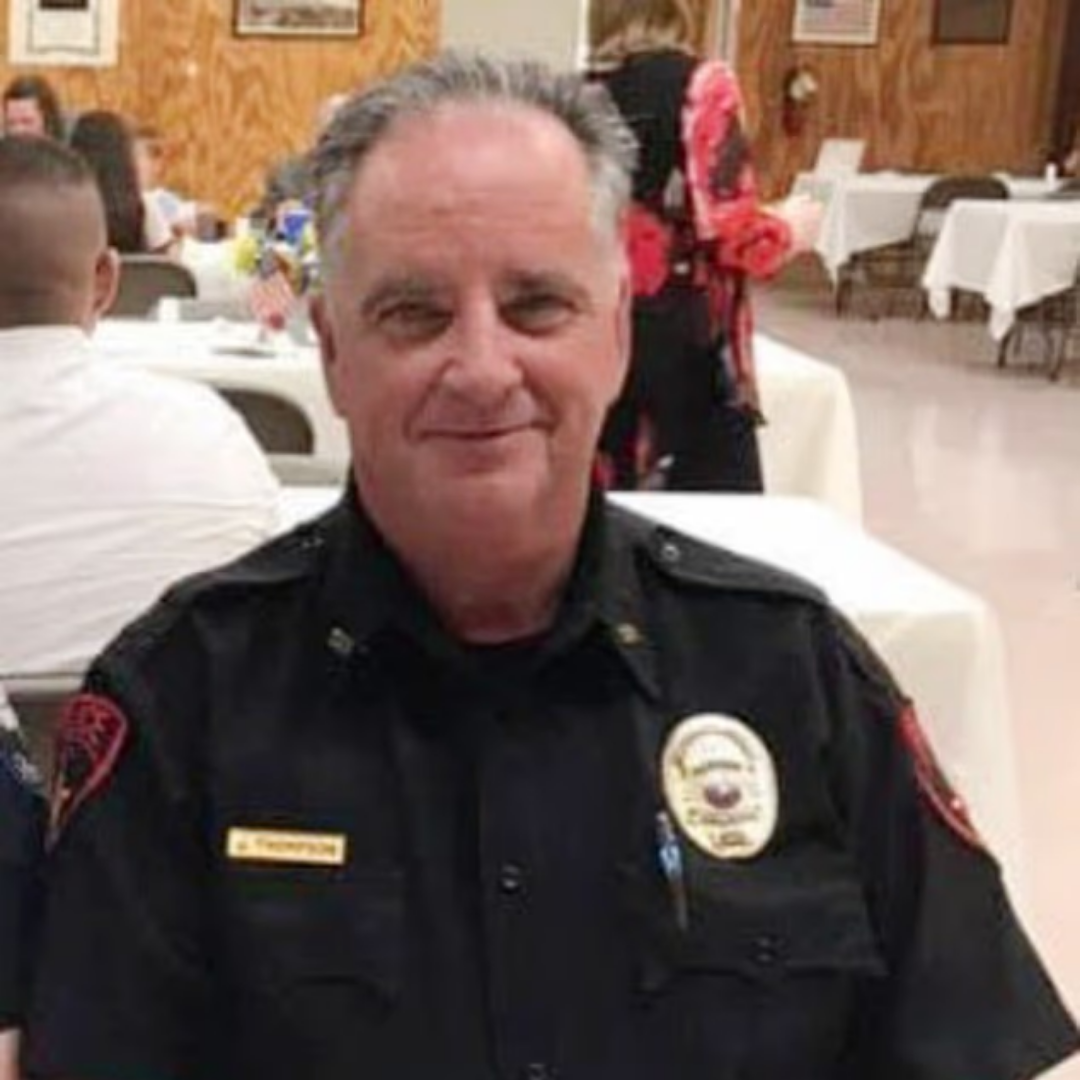
According to authorities, Thompson, a 60-year-old foster mother, had a history of fostering over 50 children and adults. However, the incident involving her 22-year-old disabled foster daughter raises serious questions about the quality of oversight and accountability in the foster care system. When police arrived, they found the young woman terrified, underdressed for the cold weather, and clearly distressed. Thompson has since been charged with multiple felonies, including aggravated kidnapping and endangerment.
The Bigger Picture: Systemic Failures
This incident is not merely an isolated case of a bad foster parent; it exposes deep-seated issues within the systems designed to protect our most vulnerable citizens. How long did this abuse go unnoticed? Were there signs that social services overlooked? These questions highlight the urgent need for reform in foster care and disability services. The alarming reality is that the young woman’s rescue came not from a governmental agency but from a neighbor who had the courage to intervene.
The Role of the Community
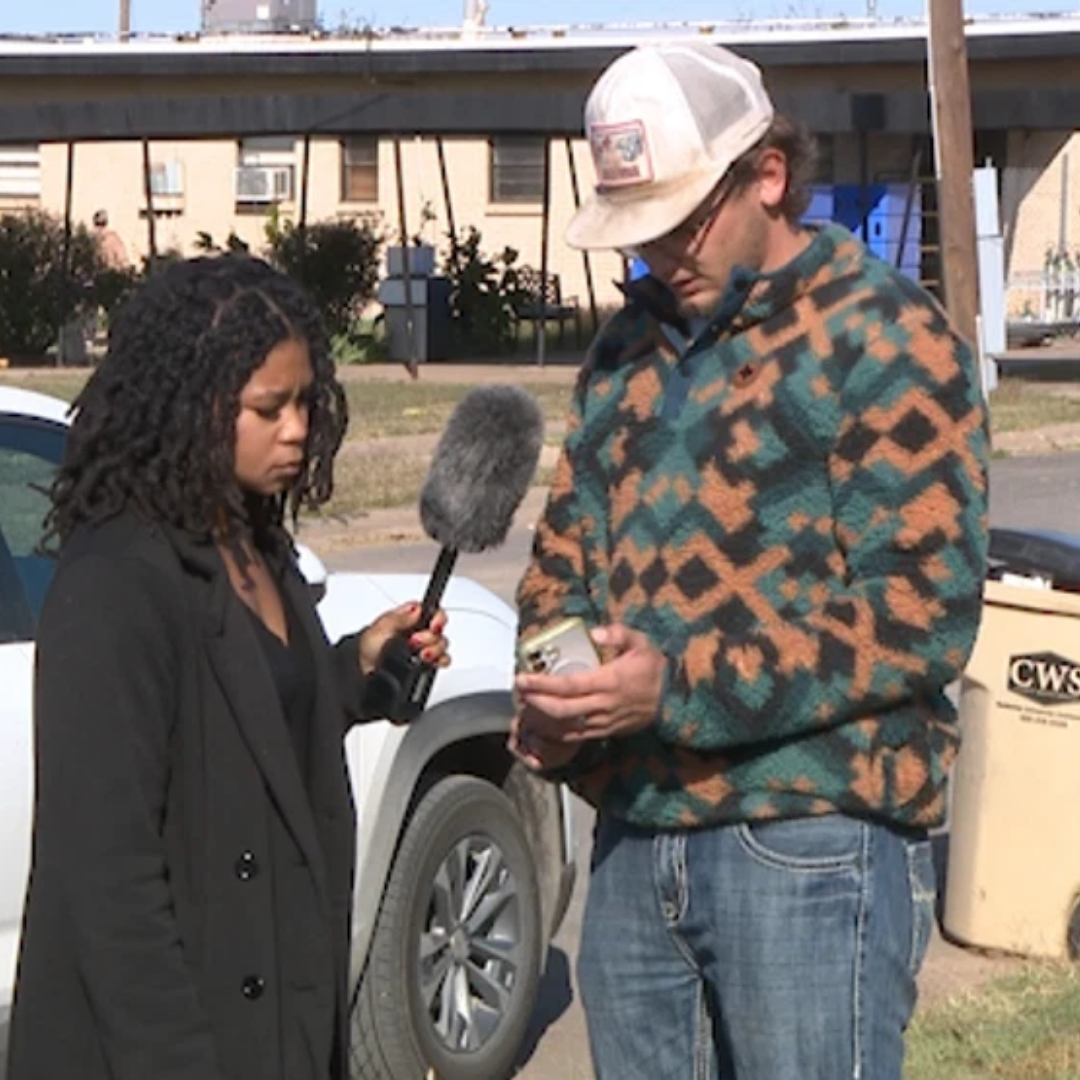
Anderson's actions remind us that ordinary people can be catalysts for change. He chose to confront the situation and record it, sparking a necessary dialogue about accountability. This incident underlines the importance of community vigilance and the need for individuals to stand up against injustice. In a world where abusers often rely on silence and ignorance to continue their actions, it is crucial for bystanders to act and demand justice.





Conclusion: Key Takeaways
This harrowing story serves as a wake-up call for all of us. It emphasizes the necessity of accountability in the foster care system and the urgent need for reforms to ensure the safety and dignity of vulnerable individuals. The young woman in this case deserves care, compassion, and a chance at a life free from abuse. As we reflect on this incident, let us advocate for the changes needed to prevent such horrors from occurring in the future.
Tags: foster care, disability rights, accountability, social services, advocacy, community action, child welfare, justice, reform.

How Saudi Arabia Is Quietly Rewriting U.S. Power — And Why It Matters Now
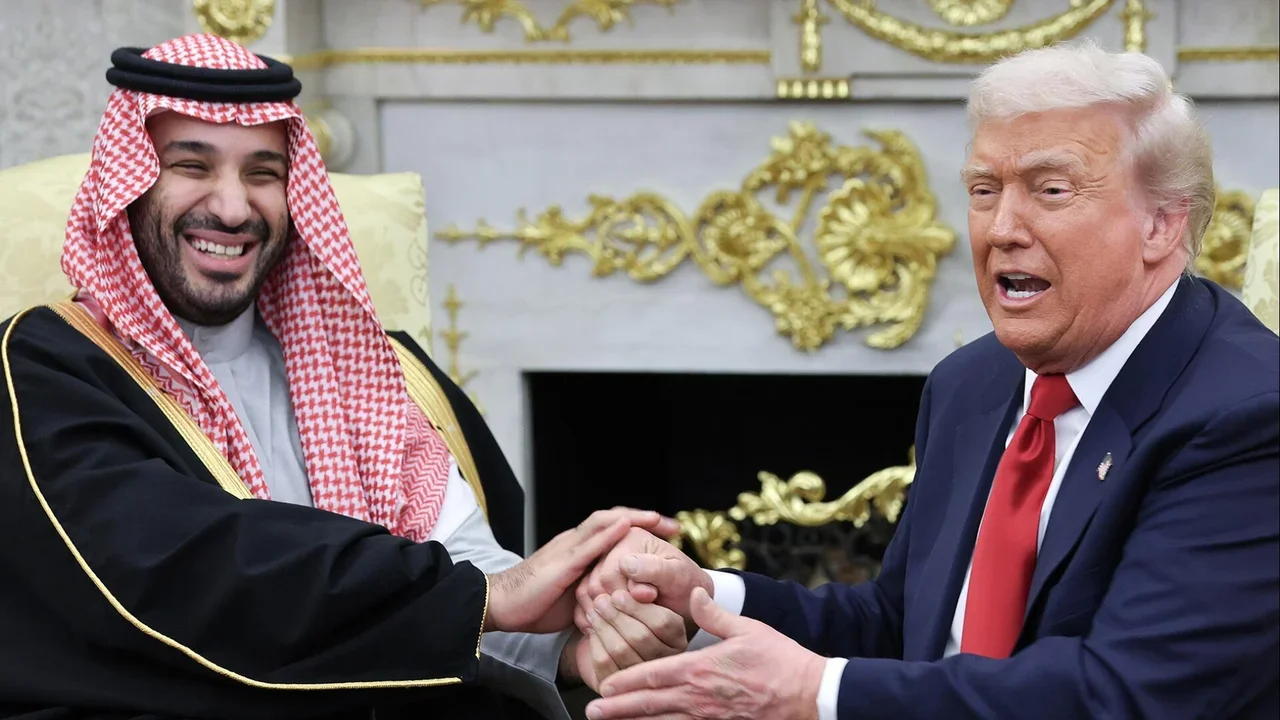
In a world where geopolitics and human rights often clash, the recent visit of Saudi Crown Prince Mohammed bin Salman (MBS) to the White House raises significant questions. How can a leader linked to the brutal murder of journalist Jamal Khashoggi be welcomed back into the fold of international diplomacy? This blog post delves into the intricacies of U.S.-Saudi relations, exploring the motivations behind such encounters and their broader implications.
The Return of Mohammed bin Salman to Washington
Recently, MBS stepped back into the White House, a move that has sparked outrage and disbelief across the globe. This meeting comes after years of condemnation following Khashoggi's assassination, in which the CIA concluded that MBS was involved. Kim Obour highlights how this moment signifies more than a simple diplomatic gesture; it signals a willingness to overlook past atrocities for the sake of strategic alliances and economic interests.

The Power Dynamics at Play
The relationship between the U.S. and Saudi Arabia is deeply rooted in oil and military power. MBS’s previous denial of access to advanced U.S. fighter jets, due to human rights concerns, has been overturned as the political landscape shifts. The U.S. is increasingly focused on maintaining its influence in a rapidly changing Middle East, where Saudi Arabia has emerged as a crucial player capable of aligning with other global powers such as China and Iran.

The Economic Allure of Saudi Arabia
Why are global leaders so invested in Saudi Arabia despite its notorious human rights record? The answer lies in the kingdom's immense wealth and potential for lucrative deals. Saudi Arabia is home to vast oil reserves and mega investment funds that attract billionaires and political leaders alike. As Kim points out, where there is money, there are powerful individuals willing to turn a blind eye to ethical concerns. This dynamic poses a moral dilemma, as economic interests often overshadow human rights issues.

The Broader Implications for Global Politics
The recent meeting between Trump and MBS is not merely about diplomacy; it represents a fundamental reordering of global alliances. With Saudi Arabia seeking advanced military capabilities, the power balance in the region is at stake. As alliances shift, the repercussions for Palestine and the broader Middle East could be profound. The ongoing sidelining of Palestinian statehood in favor of U.S. and Israeli interests raises critical questions about the future of peace in the region.
Key Takeaways
The recent developments in U.S.-Saudi relations reflect a complex interplay of power, money, and moral compromise. As we witness MBS's return to the global stage, it's crucial to remain vigilant about the implications of these alliances. The Khashoggi case serves as a stark reminder of the human cost of political expediency. As citizens, we must question whether economic interests should dictate our foreign policy, especially in situations involving egregious human rights violations.
Tags: Saudi Arabia, Mohammed bin Salman, Jamal Khashoggi, U.S. foreign policy, human rights, global politics, Middle East relations, diplomacy.

Trump’s Comments About Virginia Giuffre Reveal the Power That Protects Itself
Donald Trump, Jeffrey Epstein & the Erasure of Virginia Giuffre
On July 29, 2025, former President Donald Trump made a statement aboard Air Force One that reopened old wounds—and raised new ones.
He claimed that Jeffrey Epstein "stole" Virginia Giuffre and other women from his Mar-a-Lago spa, then added that Giuffre “had no complaints.”
But Virginia Giuffre can’t respond to that—because she’s dead.
She died in April 2025. The official cause? Suicide. But many, including her family, are not convinced. They believe something deeper is being hidden—something connected to the same elite power structures she spent her life exposing.
Virginia Giuffre’s Story: A Survivor Silenced

At just 16 years old, Giuffre worked at Mar-a-Lago, where Ghislaine Maxwell allegedly recruited her into Jeffrey Epstein’s trafficking network. Over the years, Virginia bravely testified to being exploited by some of the most powerful men in the world.
She filed lawsuits. She named names. She secured a high-profile settlement from Prince Andrew. She was one of the few survivors who didn’t just survive—she fought.
And now, Donald Trump—a man with a long-documented history with Epstein—is reframing her life in terms that erase her agency and minimize her suffering.
“She had no complaints.”
“She was stolen from the spa.”
These words reflect not just ignorance—but a systematic way of reshaping narratives to protect the powerful and silence the powerless.
Trump and Epstein: What the Record Really Shows
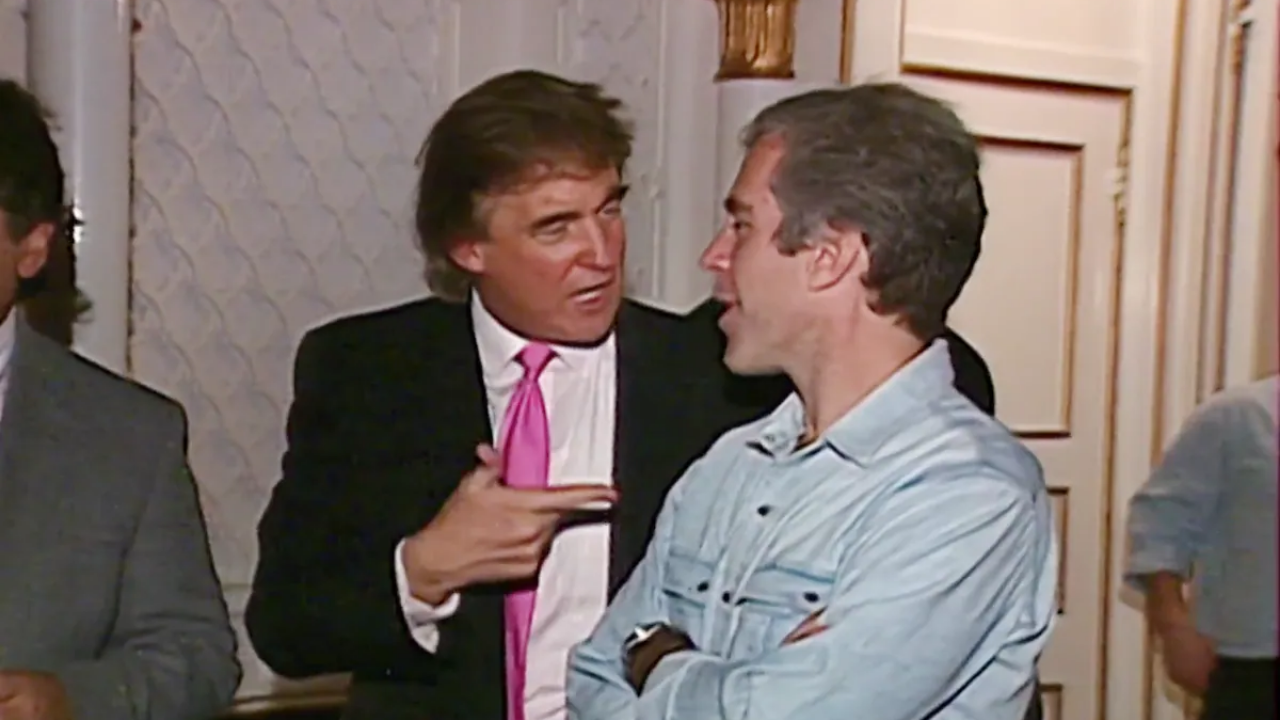
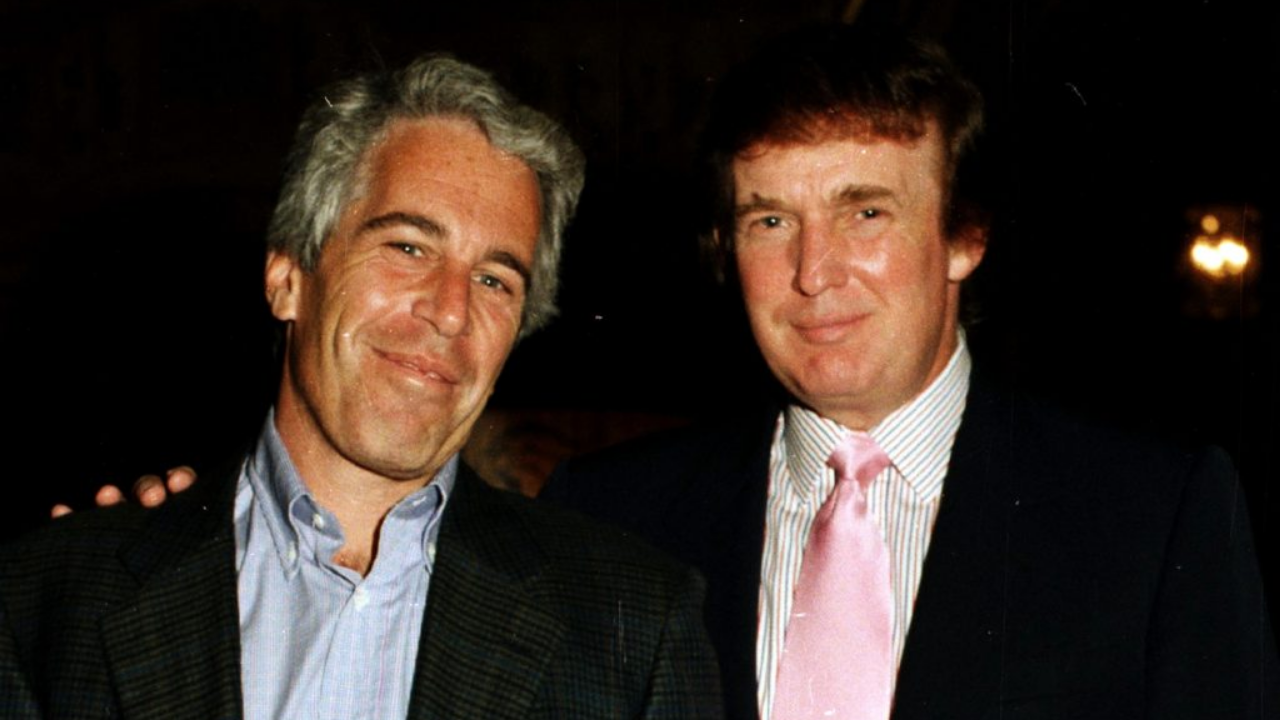
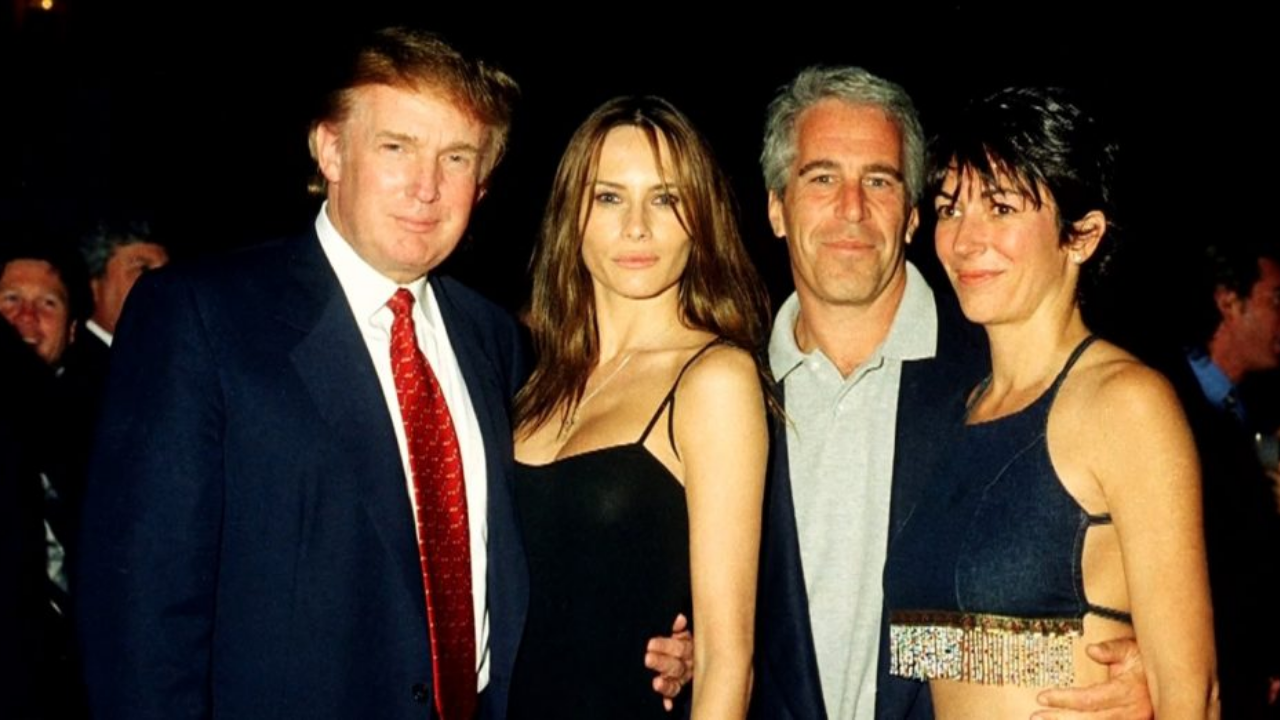
Trump and Epstein weren’t strangers. They partied together in the '90s. Trump once said Epstein liked women “on the younger side.” While Trump now claims he “banned” Epstein from Mar-a-Lago, there’s no public record proving that happened when he says it did.
Instead, what we do have is photo evidence, past interviews, and credible reports that Trump and Epstein were close—for longer than he now admits.
So when Trump paints himself as a man who tried to stop Epstein, it raises the question:
Is this truth? Or a calculated rewrite?
Virginia's Death: Suicide, or Something More?
In April 2025, Virginia Giuffre was found dead in her home in West Palm Beach.
Authorities ruled it a suicide. They cited no signs of foul play. But the timing was suspicious: Giuffre had recently announced plans to publish a memoir. She’d filed new legal requests demanding more Epstein associates be unsealed. Her family said she was hopeful, not hopeless.
Is it possible she took her own life? Yes.
Is it possible she was silenced? Also yes.
And that’s exactly why so many people are still asking questions.
Why Trump’s Language Matters
Saying she was “stolen” implies she was property. Saying she “had no complaints” erases decades of testimony, lawsuits, and emotional trauma.
This kind of language isn’t just offensive—it’s dangerous. It reflects the way survivors are often reduced to footnotes in their own stories, while the men around them rewrite the narrative.
What We Can’t Forget
This isn’t just about Trump. Or Epstein. It’s about how society treats survivors—especially women who go up against elite power structures.
Virginia Giuffre deserved to be believed. She deserved to be protected. And now, at the very least, she deserves to be remembered accurately.
🕊️ Her name was Virginia Giuffre. Don’t let them rewrite her story.
💬 Join the Conversation:
Do you believe the official story about Virginia Giuffre’s death?
How do you feel about Trump’s comments?
What do you think this says about how we treat survivors?
Leave a comment and share this post. The silence around stories like this is exactly how injustice survives.

Shannon Sharpe’s Worst Year Yet: Lawsuits, ESPN Firing, and a Hall of Fame Shadow
Shannon Sharpe, the NFL Hall of Famer turned media powerhouse, is facing the most dramatic and career-shaking year of his public life. In just a matter of months, Sharpe has become entangled in multiple lawsuits, faced an abrupt firing from ESPN, and risked overshadowing his brother’s long-awaited Hall of Fame induction. What went wrong — and can he recover?
If you’ve been following the headlines, you know this story is bigger than sports. It’s about power, media, reputation — and the speed at which it can all unravel.
$50 Million Sexual Assault Lawsuit Quietly Settled
In April 2025, Shannon Sharpe was hit with a massive $50 million lawsuit from a woman who accused him of rape, sexual battery, and emotional distress. The allegations stemmed from a previous relationship and included disturbing claims about coercion and threats.
Sharpe’s legal team vehemently denied the allegations, calling the lawsuit a clear case of extortion. However, by July, a $10 million settlement had reportedly been reached behind closed doors. No criminal charges were filed, but the court of public opinion wasn’t as forgiving.
The damage was swift — and irreversible.
ESPN Fires Shannon Sharpe After Less Than a Year
Shortly after news of the settlement broke, ESPN quietly parted ways with Shannon Sharpe. Having joined the network less than a year earlier to co-host First Take with Stephen A. Smith, Sharpe had helped bring in huge viewership and viral moments.
But the firing came with no official statement, and Sharpe later revealed on his podcast that he had begged ESPN to wait until after August 2 — the day his brother, Sterling Sharpe, was set to be inducted into the Pro Football Hall of Fame.
Instead, the firing leaked early, and the celebration meant to honor Sterling became tangled in Shannon’s controversies.
Chicago Woman Files $20 Million Defamation Lawsuit
Then came another lawsuit — this time from Chicago-based arts executive Jimalita Tillman, who filed a $20 million defamation case against Sharpe, Chad “Ochocinco” Johnson, and their media company, Shay Shay Media.
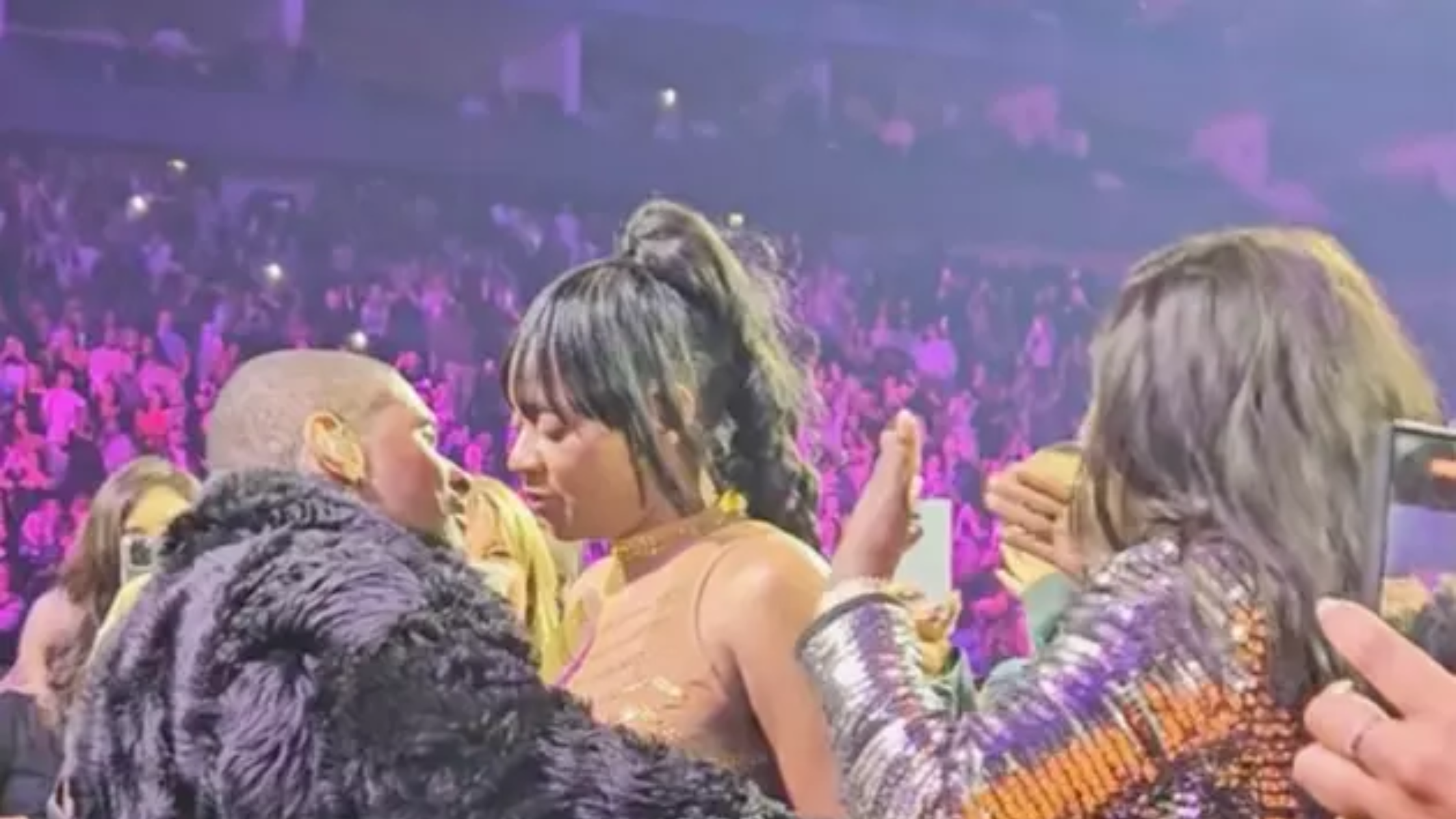
The lawsuit stems from a conversation on the Nightcap podcast in which Sharpe referenced a viral Usher concert moment and claimed that the woman involved was married and going through a divorce because of her behavior at the show.
Tillman says none of it was true. She has never been married, and she claims the false statements damaged her reputation, career, and even led to harassment.
The lawsuit has since been moved to federal court, with Sharpe required to respond by August 22, 2025.
The Hall of Fame Moment Overshadowed
On August 2, Shannon Sharpe took the stage to introduce his brother Sterling Sharpe at the Pro Football Hall of Fame ceremony — a moment that had been decades in the making.
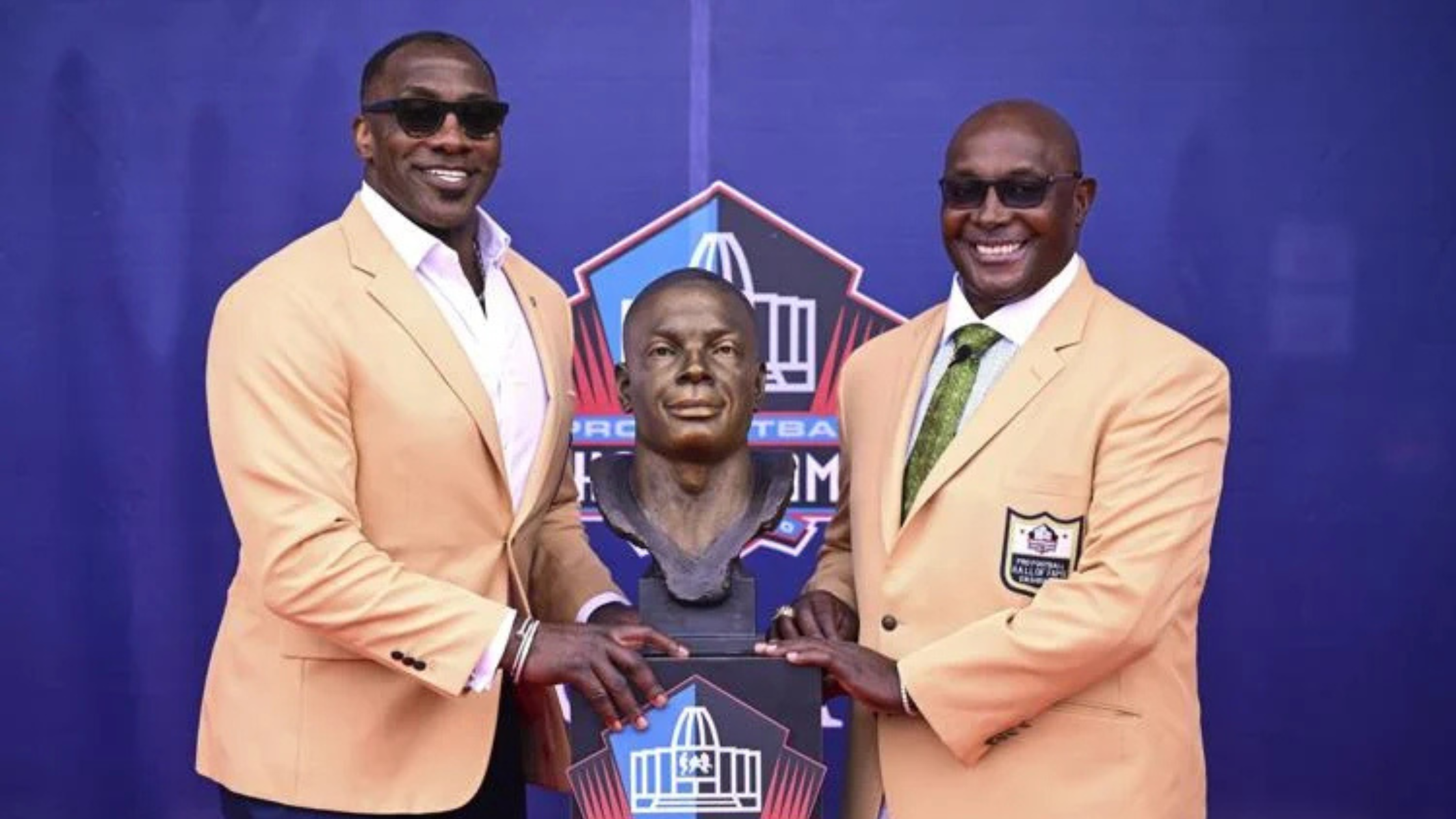
But instead of a day focused solely on Sterling’s legacy, the media buzzed about Shannon’s scandals, his ESPN exit, and the growing pile of legal issues. Shannon even admitted on his podcast that he felt terrible for overshadowing his brother’s moment, quoting Sterling as saying:
“Bro, I’m your big bro. We all make mistakes.”
Can Shannon Sharpe Come Back?
What does all this mean for one of the most recognized sports media personalities of the last decade?
Sharpe is now unemployed, under legal fire, and the subject of intense media scrutiny. His podcast empire, Club Shay Shay and Nightcap, may still survive — but it’s clear that his brand has taken a massive hit.
Whether or not Shannon Sharpe can recover will depend on how he handles the legal outcomes, public accountability, and — perhaps most importantly — how long the internet decides to care.
Final Thoughts
From ESPN’s front desk to federal courtrooms, Shannon Sharpe’s 2025 has been a whirlwind of controversy, career chaos, and collateral damage. And while his legacy as an NFL player may remain untouched, his role as a media icon is on life support.
What’s your take? Is Shannon Sharpe facing cancel culture — or consequences? Can he bounce back?
👇 Let us know in the comments below.
📺 And if you haven’t watched the full video breakdown, click here to watch now.
📈 Related Searches:
Shannon Sharpe lawsuit 2025
Why did Shannon Sharpe leave ESPN?
Shannon Sharpe defamation case
Shannon Sharpe Nightcap controversy
Sterling Sharpe Hall of Fame speech
Shannon Sharpe media downfall

Why We’re Fighting for Steve – And Why You Should Too
Activist and organizer Steve (@neurospicyactivist) is facing up to 7 years in prison after being violently arrested at a peaceful pro-Palestinian protest in Chicago. In this post, Kim Obour shares why Steve’s story matters, how he’s been a tireless advocate for Palestinian families, and why we must all take action now—by showing up in court, donating to his legal fund, and demanding justice. Featuring a link to Kim's podcast interview with Steve on Palestine Speaks and information on how to support his fight for freedom.


Free Steve. Free Palestine.
One of the most genuine, passionate, and selfless people I’ve ever met is now facing seven years in prison—for standing up for Palestinian lives.
I’m talking about my friend Steve, known to many of you as @SRprotestSteve03. But this post isn’t just about an activist. It’s about a person I care deeply for—someone who has consistently shown up for the people, no matter the risk, and who now needs us to show up for him.
Who Is Steve?
Steve and I met in real life at the 2024 DNC protest. That moment changed everything. We were both there, loud and unapologetic in our support for Palestine, and since then, Steve has become one of my closest friends and most powerful sources of inspiration.
He’s neurodivergent and unapologetically pro-Palestinian. Every single day, he uses his voice to fight for those who are often silenced—and he’s raised thousands of dollars for Palestinian families, never keeping a single cent for himself. I’ve seen him do this with my own eyes. He’s never asked for money. He’s never expected recognition. He simply shows up.
And now, they’re trying to lock him away.
What Happened?
On August 19, 2024, Steve attended a peaceful protest in Chicago. What happened next was brutal—he was beaten by police, violently arrested, and jailed for several days.
He is now being charged with assaulting a peace officer, despite all evidence showing he was the one assaulted. He faces up to seven years in prison—for doing what we’ve always been told is our right: protest.

His trial is scheduled for May 12 in Chicago. It’s a bench trial, meaning there’s no jury—just a judge who will decide his future. We need to be there for him now.
Why This Fight Matters
This isn’t just about Steve. It’s about what it means to be loud for Palestine in the U.S. right now. It’s about how the state targets voices like his—voices that can’t be bought or silenced. If they can come for Steve, they can come for any of us.
And that’s why I invited him onto my podcast, Palestine Speaks. We sat down and had a deep, real conversation about what he’s going through, how it’s affecting him, and why he keeps going despite everything.
I hope you’ll listen. It’s one of the most powerful conversations I’ve had on the show.
What You Can Do to Help

Steve has always shown up for others. Now it's our turn.
1. Show Up in Court – May 12, Chicago
If you’re nearby, please attend the trial. Court support matters. A full courtroom sends a powerful message to the judge—and it lets Steve know he’s not alone.
2. Share This Story
Don’t let this get buried. Share his videos, my videos, and this post. Tell people who Steve is and what he’s done. The more we amplify, the more protection we build around him.
3. Donate What You Can
Steve is covering his own travel, food, and housing in Chicago. Legal battles are expensive and exhausting. If he’s ever made you feel seen or inspired—please help lighten his load.
Donate to Steve here:
CashApp: $SteveOsan1
4. Speak Out Loudly & Unapologetically
Call your reps. Tag human rights organizations. Demand justice. Use your platform, your voice, your art—whatever you’ve got. The louder we are, the harder it is to ignore this.
Final Thoughts
Steve recently said something that broke my heart:
“Finances aren’t the most important—I just want emotional support.” - SteveO
He isn’t asking for a handout. He’s asking to be held by the very community he’s given everything to.
He shows up for us. He shows up for Palestine. He shows up when it’s hard, when it’s thankless, when it’s dangerous.
Now it’s our turn to show up for him.
Please share this blog post. Please listen to our podcast conversation. And most importantly—please don’t let Steve fight this alone.
Free Steve. Free Palestine.

Migrants Deported to Guantanamo Bay Without Legal Representation – A Government Overreach
A new government memorandum expands capital punishment to include undocumented migrants. This follows recent efforts to round up immigrants, with shocking historical parallels. Even legal migrants are being deported over technicalities.
A disturbing new report reveals that the U.S. government is illegally detaining and deporting migrants to Guantanamo Bay without access to legal representation or due process.
This shocking revelation raises serious concerns about human rights violations, illegal immigration enforcement tactics, and the erosion of legal protections for migrants.
In this episode of Palestine Speaks, Kim Obour breaks down what’s happening, why it matters, and how it ties into broader patterns of government overreach and injustice.
Why Migrants Are Being Sent to Guantanamo Bay?
Guantanamo Bay, most commonly associated with war on terror detainees and human rights abuses, is now being used as a holding site for migrants. This revelation violates legal protections for asylum seekers and undocumented individuals, effectively stripping them of their right to due process.
📌 Key Takeaways from the Episode:
Migrants, including those seeking asylum, are being sent to Guantanamo Bay without legal counsel.
The government is bypassing established immigration laws, making it impossible for detainees to challenge their deportation.
Even legal migrants are facing detention and deportation over minor technicalities.
This violates international human rights standards and sets a dangerous precedent for future immigration policies.
The Bigger Picture: Human Rights at Risk
A Pattern of Government Overreach
The use of Guantanamo Bay as a migrant detention center is part of a larger trend of illegal government practices. This episode connects the dots between:
✅ The criminalization of migrants and the expansion of detention facilities.
✅ Deportation without due process, raising concerns about who else could be targeted in the future.
✅ Media bias, as mainstream outlets fail to cover the full extent of these human rights abuses.
The Parallels to Past Human Rights Violations
History has shown that when governments begin bypassing legal protections for certain groups, those violations often expand to others. Using military detention facilities for migrants is an alarming step toward normalizing extrajudicial imprisonment.
What You Can Do: Take Action Now
🚨 This is not just an immigration issue—it’s a human rights crisis. Here’s how you can help:
✅ Stay Informed & Share the Truth – Read the Attorney General’s Memo here and make sure others know what’s happening.
✅ Demand Government Accountability – Contact elected officials and urge them to investigate these illegal deportations.
✅ Support Legal Aid for Migrants – Donate to or volunteer with organizations providing legal representation for detained migrants.
✅ Challenge Media Bias – The mainstream press often ignores these injustices. Amplify independent news sources and digital activism.
Final Thoughts: Why We Must Speak Out
The illegal detention of migrants at Guantanamo Bay is a dangerous precedent that cannot be ignored. This issue is about more than immigration—it’s about human rights, legal protections, and holding governments accountable.
📢 We cannot afford to stay silent. Watch the episode, share this information, and demand justice. The fight for human rights starts with awareness and collective action.